
CHI SIAMO
SOCIAL
CONTATTACI
INDIRIZZO
Rocca di Savio
P.IVA 02546350204
Via Mulino 1
46040 Solferino (MN)
Italia
©Rocca di Savio 2023
Chi siamo
Rocca di Savio è un’azienda giovane, nata a Solferino nel 2018.
Ci troviamo nell’alto mantovano, sulle colline moreniche del lago di Garda, in un contesto paesaggistico, storico e culturale di livello internazionale. I nostri colli, infatti, sono stati teatro del risorgimento italiano e d’ispirazione per la nascita della croce rossa.
L’idea nasce grazie al forte legame con il nostro territorio e all’amore per il vino. Un amore che affonda le sue radici in un nonno, che conduceva un piccolo vigneto, e produceva artigianalmente un vino di cui ne andava orgoglioso.
Il nome, Rocca di Savio, è un doppio omaggio.
A Solferino, di cui la Spia d’Italia (conosciuta come rocca) ne é il simbolo.
Al nonno, Vincenzo Savio, su cui terreni abbiamo piantato di nuovo le vigne con solide basi culturali.
Questi sentimenti ci hanno portato ad effettuare ricerche sulla conformazione fisica e geologica delle nostre colline, e ad adottare una strategia sostenibile per la nostra azienda.
La sostenibilità non riguarda solo il vino che produciamo, ma si allarga fino a comprenderne ogni singola fase di lavorazione, dalla vigna, alla cantina fino al packaging.
Ciò in cui crediamo lo mettiamo in pratica già tra le vigne, andando contro le logiche delle grandi produzioni, per preservare la natura, la biodiversità e la paesaggistica del nostro territorio.
La nostra filosofia ci impone:
in campagna di svolgere manualmente le operazioni più delicate per tutelare la salute della vite e dell’uva.
In cantina di esigere l’abbattimento dell’uso della chimica.
Produrre vino sostenibile non è semplice, porta a continua ricerca con tanti sacrifici, ma crediamo che il risultato ne valga la pena.
Siamo fortemente convinti che SE PUOI SOGNARLO, PUOI BERLO e noi continueremo a farlo.
I nostri vini
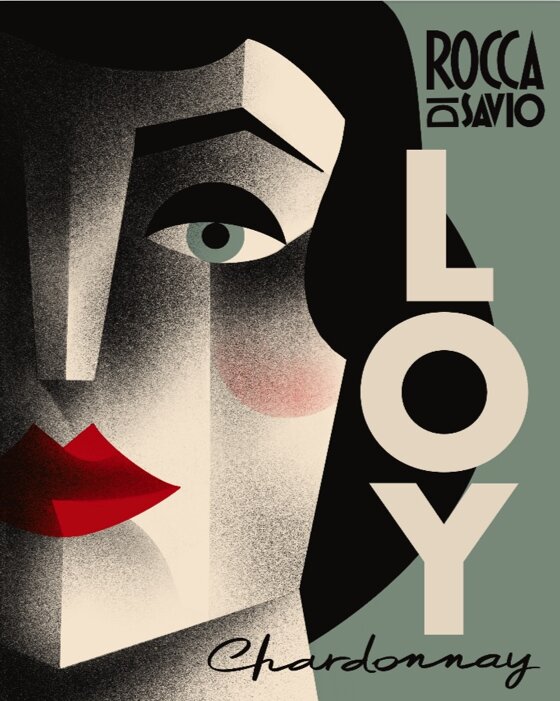
LOY
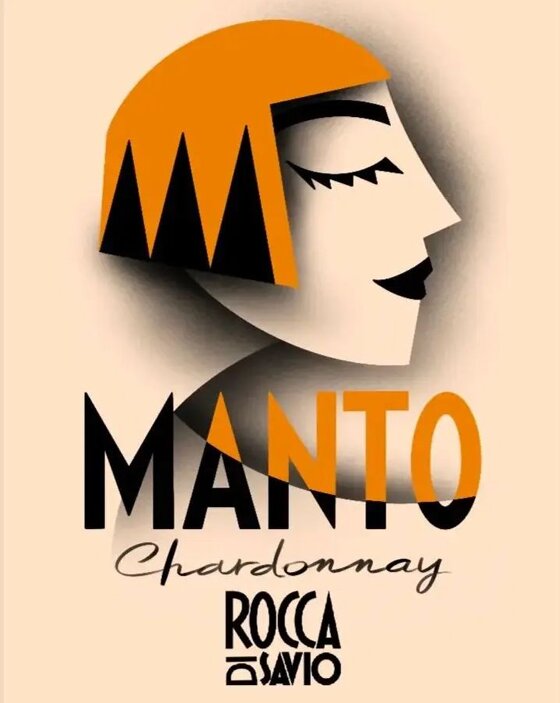
MANTO
Il nome e l’etichetta sono dedicati a Mina Loy, poetessa, artista e femminista di inizio 900 che ha saputo tracciare una nuova prerogativa per le donne, quella di essere libere.
Nasce a Londra il 27/12/1882, viaggia per il vecchio e il nuovo mondo e nel 1914 a Firenze scrive il Manifesto femminista. Lo scritto si scaglia contro la posizione subordinata della donna nella società e rimane inedito fino alla sua morte.
È stata una donna affascinante, inarrestabile e controversa che ha vissuto la sua vita rincorrendo l’arte, la libertà e i suoi sogni.
Leggerla significa fare un viaggio nei movimenti artistici che hanno segnato il 900, il secolo dai due volti. Da un lato le grandi tragedie storiche e dall’altro le grandi conquiste civili, economiche, scientifiche e sociali.
L’immagine in evidenza è simbolicamente la rappresentazione femminile di Manto. Il mito della fondazione di Mantova trova spazio nella Divina Commedia di Dante Alighieri nel XX Canto dell'Inferno, nel quale Dante stesso e la sua guida mantovana Virgilio incontrano gli indovini.
Proprio indicando una di queste anime, Virgilio descrive i dintorni della città, il Lago di Garda ed il corso del Mincio che si tuffa nel Po a Governolo per affermare, riferendosi alla leggenda dell'indovina Manto:
“Fer la città sovra quell'ossa morte; e per colei che 'l loco prima elesse, Mantüa l'appellar sanz'altra sorte.”
(Dante Alighieri, Inferno XX, 90)

1859
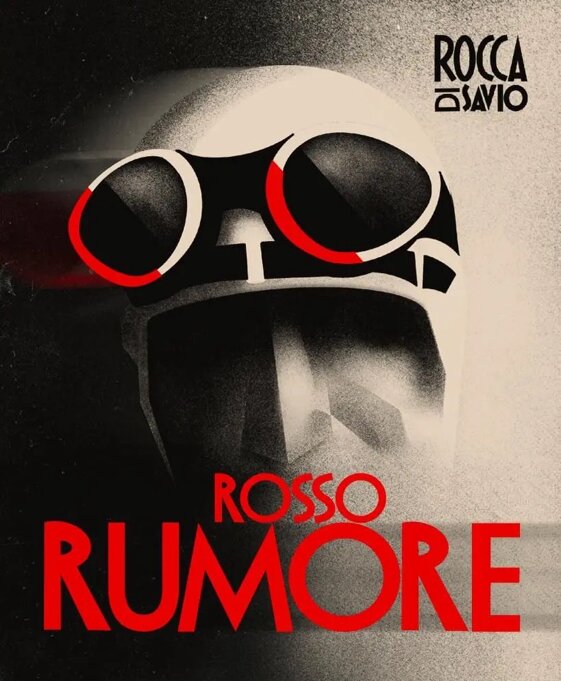
ROSSO RUMORE
24 Giugno 1859:
E’ la la data della battaglia di Solferino e San Martino, una tra le più cruente del diciannovesimo secolo.
Siamo in Lombardia, nella zona sud del lago di Garda, nel cuore dell'anfiteatro delle colline moreniche.
E’ in questo luogo ampio, dolce eppure arduo, che avviene il fortuito scontro tra l’esercito Italo-Francese e quello Austriaco. La conquista del colle della Rocca di Solferino, chiamata la Spia d’Italia, determina la vittoria della seconda guerra d’indipendenza italiana.
Il campo di battaglia quel giorno era un crogiolo di popoli e di lingue differenti, divisi dal colore dell’uniforme ma uniti dal destino.
In mezzo a questo strazio brillò l’umanità e la compassione delle donne del luogo che soccorsero i feriti senza discriminazione di nazionalità, ispirando “la nascita della Croce Rossa”.
L’etichetta raffigura una data storica con un soldato che nella mano destra impugna una spada, non più simbolo di guerra, ma strumento per aprire una bottiglia di vino che diviene allegoria di condivisione e umanità.
Il nome e l’etichetta sono dedicati alla velocità, mito coltivato nell’Italia dell’inizio ‘900 e dal futurismo italiano .
Il futurismo identifica la velocità con la corsa, il movimento e le macchine.
Luigi Russolo, esponente dell’arte, della musica futurista e firmatario del manifesto “L’arte dei Rumori”, afferma che: “La vita antica fu tutta silenzio. Nel diciannovesimo secolo, coll'invenzione delle macchine, nacque il Rumore”.
Rumore “Vroom” come il rombo di una macchina che sfreccia.
Rumore “Glu glu” come un vino che vuole essere immediato nella beva.
Rumore “Bla Bla” come un vino chiacchierato.
Rumore “Glup” come un vino che crea stupore ad ogni sorso.

FUTURA
Futura non è solo un nome, è un manifesto.
Questo vino nasce dalla convinzione che la vera innovazione non distrugga il passato,
ma lo completi. La nostra etichetta, con la figura femminile dotata di un Visore Ottico,
simboleggia esattamente questo: la capacità di vedere la tradizione non come un limite,
ma come un dato di partenza da cui proiettarsi in avanti.
ll cuore concettuale di Futura risiede nel suo metodo di produzione:
il Rosé Frizzante rifermentato con il fondo.
Dove Il Passato, cioè Il fondo, non è un residuo, ma l'energia che alimenta l'evoluzione del gusto nel tempo.
È la memoria del vino.
Ogni sorso è un invito a collegare l'esperienza del passato con l'audacia del futuro.
Quando la bottiglia viene agitata prima di servire (un rituale facoltativo ma consigliato),
le particelle di tradizione si mescolano con il presente,
creando un profilo sensoriale unico che ricorda la nebbia delle nostre terre mantovane.
Futura: Dove la storia non è finita, ma è l'inizio di ogni sorso.
CHI SIAMO
SOCIAL
CONTATTACI
INDIRIZZO
Rocca di Savio
P.IVA 02546350204
Via Mulino 1
46040 Solferino (MN)
Italia
©Rocca di Savio 2023